Long read Websocket API
WebSocket vs Webhook for Real-Time API Event Delivery
Choose WebSockets for live two-way conversations, webhooks for reliable server handoffs.
Webhooks and WebSockets both get filed under "real-time," and that's the whole problem right there. One's a server tapping another server on the shoulder to say "this happened." The other's a phone line both sides leave open so either one can jump in whenever. Mix them up in a planning meeting and nobody notices. Mix them up in an architecture diagram, and you're the one debugging it at 11pm eighteen months from now, wondering why your "instant" notification system takes forty seconds to fire.
Here's what actually matters.
How each mechanism handles the connection, and why that shapes everything downstream
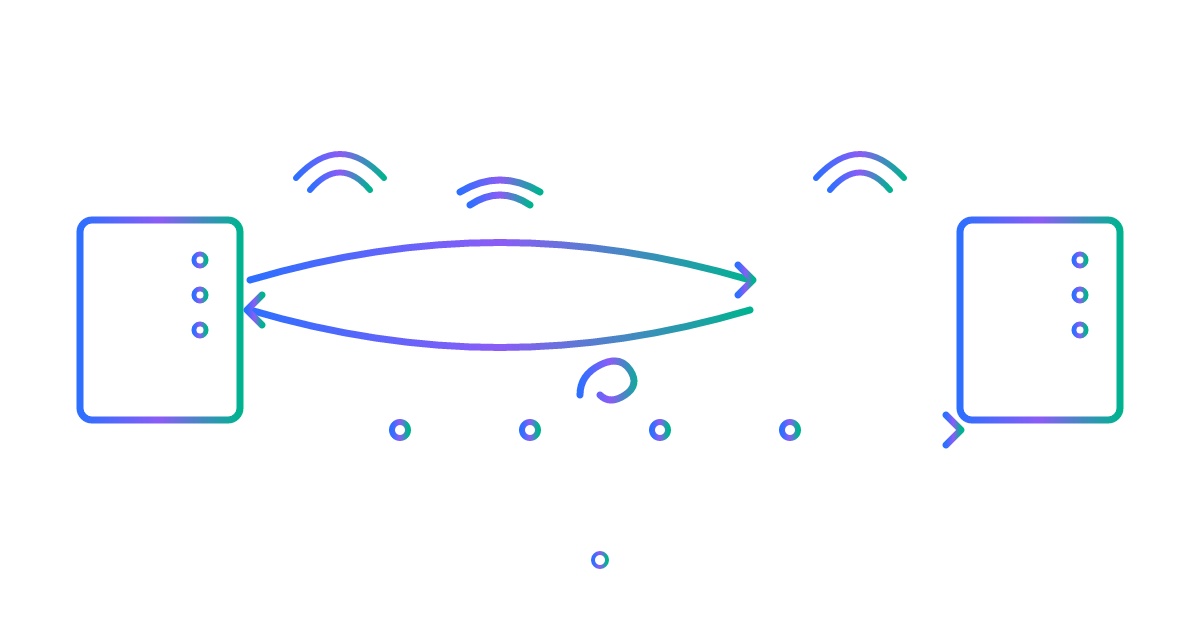
A webhook fires an HTTP POST, waits for an acknowledgment, then closes up shop. No memory, no session, no idea whether the thing catching it is a browser, a queue, or some serverless function that spun up specifically to grab this one request before vanishing again. That statelessness is the entire design, and it's why most webhook systems build in retries. If the receiver's down, the sender comes back later and knocks again.
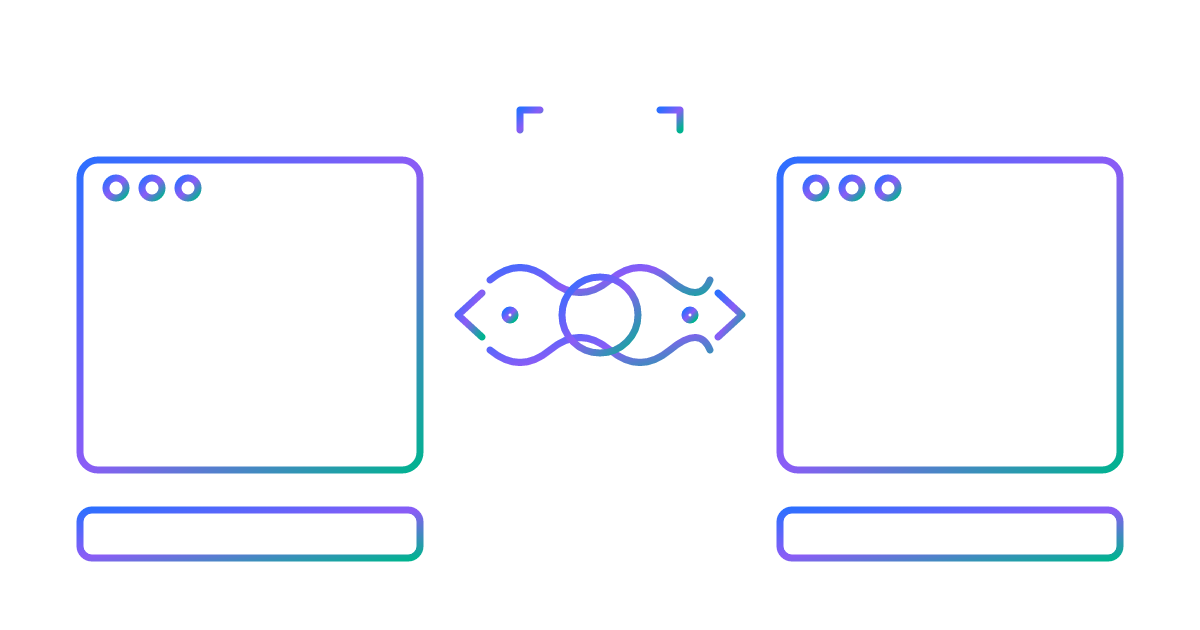
WebSockets handle the connection differently. You pay a handshake cost once (it starts as a plain HTTP request, then upgrades with a 101 Switching Protocols response), and after that you're just passing small frames back and forth. A few bytes at a time, not a fresh HTTP request every round trip. Either side talks whenever it wants; no asking permission, no waiting your turn.
That's also the catch. The connection stays open, which means the server has to remember who's on the other end of it. I once watched a team burn a week debugging "random" memory growth before realizing nobody had written cleanup logic for dead connections. Turns out phones that never hang up cost you the same way people who never leave a party do: eventually you run out of chairs.
Fastest way to tell these apart: look at direction. Two servers, one direction, occasional events? Webhook. Holding a socket open for that is like leaving a landline off the hook just in case someone calls someday. A browser that needs to send and receive constantly needs the persistent connection, because webhooks can't push to a browser. There's no clever workaround here. I've seen people try.
One more thing people miss until it bites them: webhooks need nothing fancy on the receiving end, just an endpoint that answers. WebSockets need a server built to hold connections open, which is a bigger infrastructure commitment than most teams budget for going in.
The scenarios where webhooks are the correct default
Webhooks win when the recipient is a server, events show up occasionally instead of constantly, and reliable delivery matters more than shaving off milliseconds.
Payment confirmations are the textbook case. Stripe fires a webhook the second a charge clears, and your backend hears about it without polling every five seconds asking "did it work yet, did it work yet." Server to server, one direction, retries built in if the first attempt misses.
CI/CD runs the same play. A push to GitHub triggers a webhook to your build server, which doesn't need a live line to GitHub sitting open between pushes. It just needs a reliable tap on the shoulder when something changes. Same story with Shopify order events, Twilio delivery status, a form submission landing in your CRM. External system talks to your backend, occasionally, in bursts.
Agentic and AI workflows lean on this shape too, for the same reason. An agent waiting on a document to land or a pipeline to finish needs a notification it can drop into a queue and move on, not a live channel humming in the background for no reason. Svix's 2024 report clocked webhook adoption at roughly 85% among the API 100 companies it tracked, which tracks (pun very much intended) once you notice most backend integrations are episodic. Something happens, then nothing happens for a while, then something else happens.
Worth naming the hard limit directly, since it trips people up: webhooks cannot push updates to a browser, cannot stream anything at high frequency, and can't let the receiver talk back on the same channel. Forcing that shape onto them just relocates the problem to next quarter.
The scenarios where WebSockets are the correct default
WebSockets earn their keep when a human's on one end, both sides need to talk, and updates arrive fast enough that latency actually matters to the person staring at the screen.
Multiplayer games and collaborative editors are the clean case: every client sends and receives state updates several times a second, and bidirectionality is the whole point of the exercise, not a bonus feature. Financial data behaves the same way. CME Group pushes order book updates through its WebSocket API as often as every 500 milliseconds per instrument. Orders go up, market data comes down, and the line has to stay open the entire time or none of it works.
Chat is the example everyone already lives with, whether they think about it or not. Chat platforms run instant messaging over WebSockets, which is why messages typically land on the other person's screen in well under 50 milliseconds. No polling on either end, no refresh button, no "did they see it yet" guessing game.
Streaming AI output belongs in this bucket too, and it's a shape that trips up teams new to it. A model generating tokens one at a time, a browser showing them as they arrive: there's no single "event" to fire, because the response is a continuous stream, not a one-shot payload. WebSockets or server-sent events is really the only menu available.
Platforms like Slack run real-time features over WebSockets at serious scale, which is the pattern holding up under actual load, not a demo trick. Where WebSockets fall flat: server-to-server integrations where nobody's a browser, sporadic events where an open connection just burns memory for nothing, and serverless environments generally. Serverless functions are stateless and time out fast, and a persistent connection paired with a five-second execution window just doesn't work. Forcing it means dropped connections and workarounds nobody asked to build.
The hybrid pattern that most production systems end up using
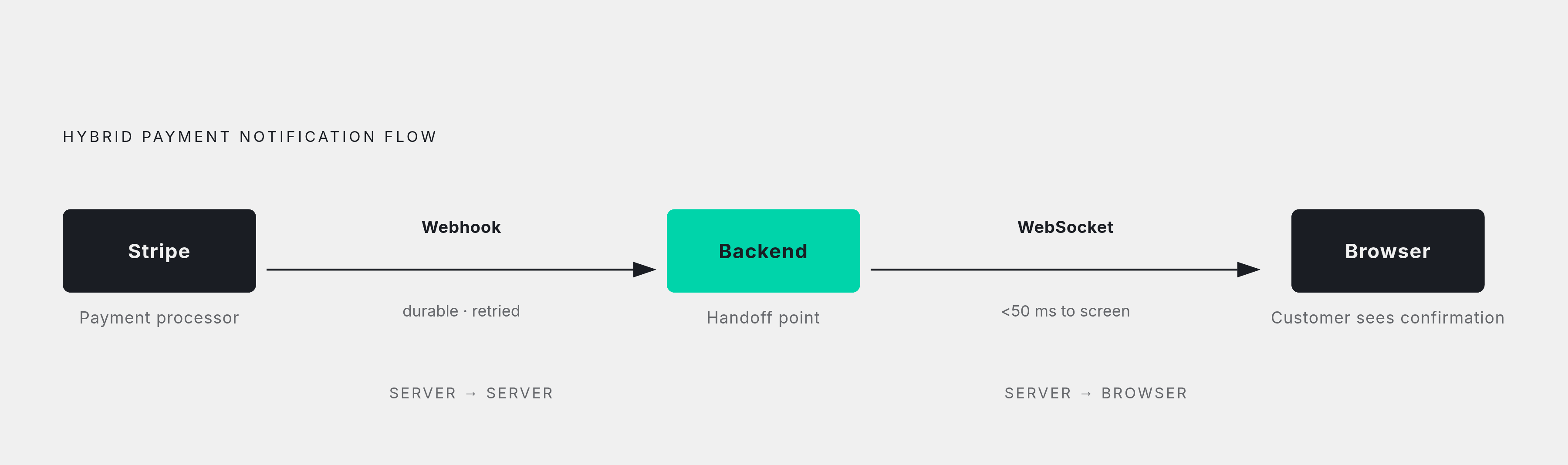
Treating this as either/or falls apart the second you look at a real product feature. Most of them need both legs covered.
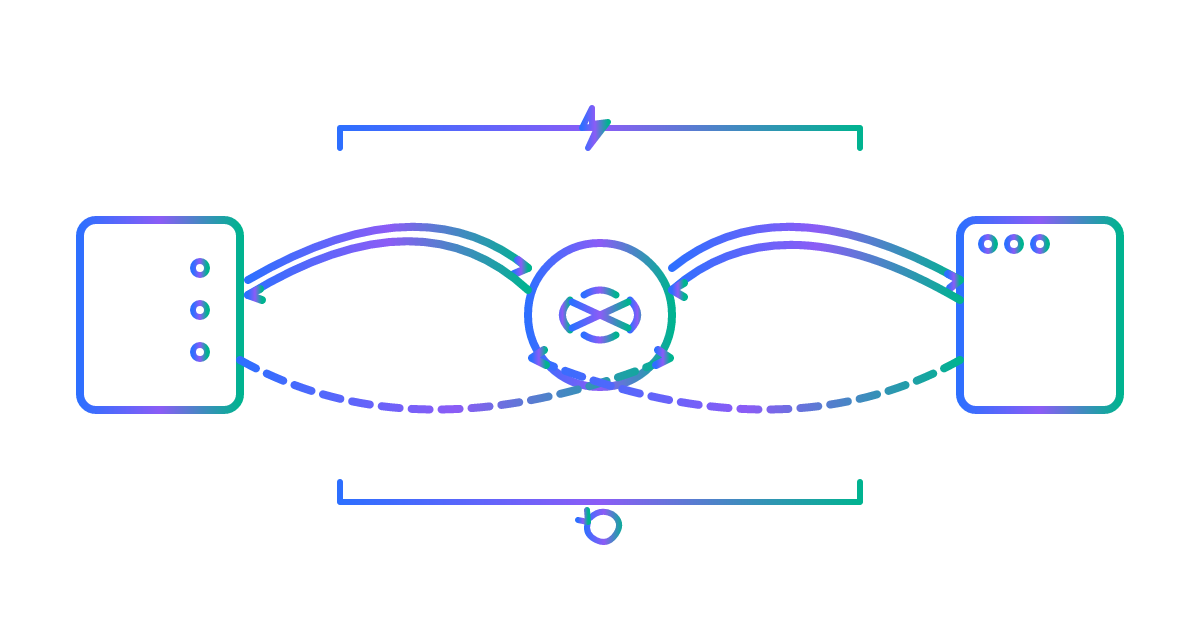
Take a payment flow again, since it's the clearest example. Stripe fires a webhook to your backend the moment a charge clears; that's the server-to-server leg, handled and done. Your backend then pushes a confirmation to the customer's browser over a WebSocket connection that's already open; that's the server-to-browser leg. Neither replaces the other. They cover two different halves of the same trip, and together it feels instant to the person watching their screen, even though under the hood it's two completely different mechanisms handing off to each other.
That pattern holds well past payments. Webhooks carry the durable, guaranteed handoff between services. WebSockets carry the low-latency delivery to the human actually waiting for an answer. One 2025 trend summary put hybrid setups at roughly a third of real-time APIs, pairing webhooks for the fire-and-forget half with WebSockets or SSE for the streamed half. This shows up constantly in AI and agent workflows, where a task finishes on one system and needs to show up live on a dashboard somewhere else.
The design question was never webhook versus WebSocket. It's which leg of the trip each one is carrying, and pretending you only need to pick one is how you end up rebuilding half your notification system in six months.
Idle mobile WebSocket connections drop more than anyone would like too, which is a decent argument for keeping that leg short and closing it the moment you're not actively streaming. Hybrid setups make that easy, since the webhook side is already carrying the part of the job that needs to survive.
A webhook fires an HTTP POST, waits for an acknowledgment, then closes up shop.
Webhook reliability in practice: what delivery guarantees actually mean
No webhook provider on the planet promises exactly-once delivery. That's a wall baked into distributed systems theory (the Two Generals Problem and the FLP impossibility result both land on the same ceiling). The best anyone offers is at-least-once.
At-least-once means the event will arrive. It also means it might arrive twice. Idempotency on your receiver is the other half of the retry mechanism actually doing its job. Skip it, and a retried webhook means you charged someone's card twice, which is a genuinely uncomfortable call to get from support on a Monday morning.
Stripe is the usual benchmark, and it's earned: under 1% error rate once configured properly, roughly 95% success once retries kick in. Genuinely solid. That leftover sliver still needs explicit handling though, not a shrug and a "should be fine."
Duplicates show up more than people expect walking in. Carrier API platforms have shown duplicate delivery rates well into double digits during peak load, which means idempotency keys aren't optional homework. They're the foundation the rest of the system stands on.
Retry windows aren't standardized either, and this trips up more teams than it should. One provider retries for 24 hours, another gives up in 5 minutes. Pulling events from multiple sources means handling each provider's retry behavior on its own terms; assume they all behave the same, and you'll watch events quietly vanish with no error message telling you where they went.
Signature verification with HMAC-SHA256 is the main defense against forged events. Svix's 2024 data showed adoption climbing double digits year over year, which is good news, but it also means a real chunk of implementations were skipping it entirely before that. Draw your own conclusions about how many still are.
What actually holds the whole thing together: exponential backoff paired with a dead-letter queue for events that exhaust their retries, idempotency keys on every handler, explicit ordering guarantees wherever sequence actually matters (payments, state machines, anything with a "before" and "after"). The CNCF's CloudEvents spec gives teams a shared envelope format that cuts down the fragmentation headache considerably when you're juggling several providers. It cuts down the fragmentation headache considerably when you're juggling several providers. And if building the retry and dead-letter layer yourself sounds like a weekend you'd rather spend elsewhere, managed webhook infrastructure like Hookdeck exists specifically for that job.
WebSocket scalability: the operational complexity that comes with a persistent connection
Every open WebSocket connection costs memory, a file descriptor, and a slice of server state, and none of that goes away until the connection actually closes. Compare that to stateless HTTP, where the cost disappears the instant the response goes out the door. Concurrent WebSocket users pile up fast, and unlike HTTP traffic, they don't clean up after themselves.
A single Node.js process can realistically hold tens of thousands of connections, sometimes closer to a hundred thousand depending on how chatty they are, but only once you raise the operating system's file descriptor limit. That's a configuration line most teams don't know exists until they slam into it in production, usually during the demo that matters most. It's the kind of limit that tends to surface at the worst possible moment.
Then there's the sticky session problem. Load balancers route a client to a specific server to keep its connection state intact. If that server chokes, reconnection sends the client right back to the same struggling server, because why would it know any better? Horizontal scaling stops being simple, and failover gets slower than anyone signed up for.
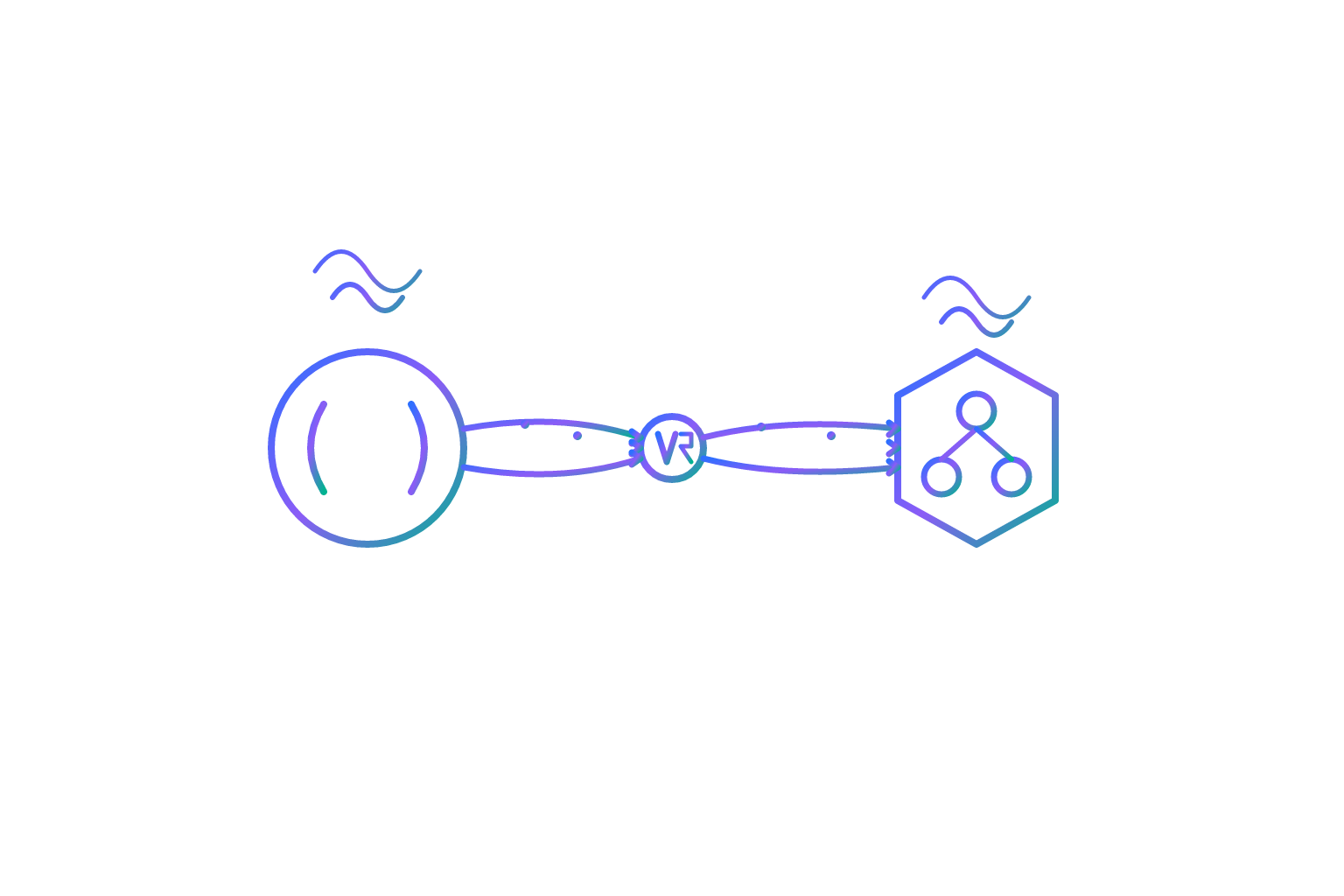
The fix production systems actually use is a pub/sub backplane, usually Redis, Kafka, or NATS, sitting behind the WebSocket servers. Any server in the fleet picks up a message and fans it out to whichever clients need it, regardless of which server they're actually connected to. That's how large-scale WebSocket deployments make horizontal scaling work, and it's not a small lift to set up correctly the first time.
Tune the OS properly, put a backplane in place, and a fleet can carry a serious number of concurrent connections without falling apart. The operational surface is still bigger than a webhook integration by a wide margin, though, and serverless makes it worse. Stateless, short-timeout functions can't hold a long-lived connection open, so teams on serverless infrastructure need a managed WebSocket layer or a genuinely different approach. Cloudflare and JSGuru Jobs data shows WebSocket adoption climbing steadily since 2022, mostly because users now expect real-time by default instead of as a bonus feature. The scaling problem is solvable. It's just not free, and anyone telling you otherwise is selling something.
Security posture for each mechanism and where it differs
Webhooks and WebSockets get attacked in different places, because they're built differently, and that's worth sitting with for a second before diving into specifics.
For webhooks, the main risk is someone forging a POST request straight to your endpoint. Signature verification with HMAC-SHA256 is the standard defense, and given how much adoption grew in a single year according to Svix, it clearly wasn't universal before that. Replay attacks are the other worry: someone captures a valid signed payload in transit and fires it again later, hoping nobody checks the timestamp. Rejecting anything older than a short window closes that door. Every incoming payload gets treated as untrusted until its signature checks out, no exceptions, and signing secrets need the same rotation discipline as any other credential sitting in your vault.
WebSockets authenticate once, at the handshake, and the connection just stays open after that. Unless the application adds its own message-level checks, nothing re-verifies who's actually talking on the other end. OWASP's WebSocket Security Cheat Sheet doesn't hedge on this: authenticate at the handshake, use wss:// exclusively, validate every incoming message server-side. Cross-site WebSocket hijacking is a real threat too, where a malicious page rides in on a victim's existing cookies to open a connection it has no business opening. Checking the Origin header during the handshake is the standard defense. Because connections persist, a flood of new ones can also exhaust server resources faster than a stateless HTTP flood ever could, so rate limiting and per-client connection caps aren't optional extras. WebSocket messages skip most of the middleware inspection normal HTTP requests pass through too, which means validation has to happen explicitly on the server for every message, no assumptions carried over from the handshake.
Both mechanisms share one non-negotiable baseline: TLS, always. HTTPS for webhook endpoints, wss:// for WebSocket frames, no exceptions in production, not even for "internal" traffic that someone swears is fine.
The underlying difference explains most of the rest. Webhook security is about trusting whoever sent you a one-off event. WebSocket security is about controlling an ongoing session that can be abused for as long as it stays open. Different threat, different defense. Confusing the two is how teams end up locking the wrong door and leaving the actual one wide open.
A practical decision framework for choosing between them
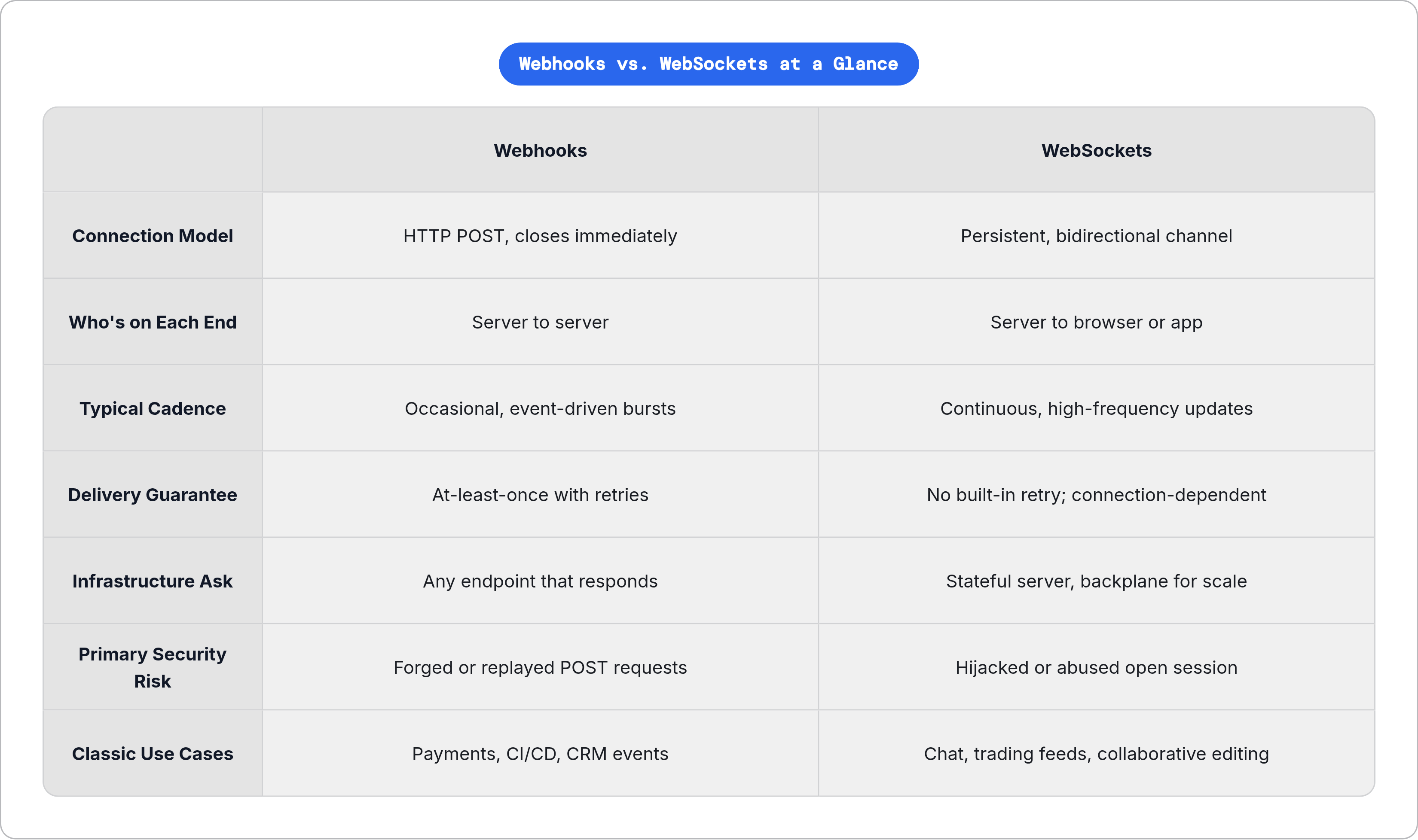
Start with who's on each end. Two servers, one direction, occasional events: webhook. A browser or mobile app that needs to send and receive continuously: WebSocket, since webhooks simply can't reach a browser no matter how you architect it.
From there, look at cadence. Something happening a few times an hour doesn't justify a connection sitting open all day waiting for it; something happening dozens of times a second needs that open channel, or handshake overhead alone buries you.
Latency versus durability comes next, and this is where teams actually disagree with each other. Losing or delaying an event by a few seconds is a real problem in some systems, and in those, a guaranteed retry mechanism matters more than shaving off milliseconds, so webhooks with solid retry logic win. A user staring at a screen waiting for an update under 50 milliseconds needs the persistent connection instead; nothing else gets there in time.
Be honest about your infrastructure too. Serverless on the receiving end basically rules out WebSockets unless you bring in a managed layer built for exactly that problem, while webhooks ask nothing more than an endpoint that answers.
Last thing, and it's the one people skip: check whether you need one leg of the trip or both. Trace most real products from "something happened" to "the user actually sees it," and you'll find you need the webhook for the handoff and the WebSocket for the live update. That's just what the job actually requires, and pretending otherwise is how you end up rebuilding this in a year.
Notes
- https://www.svix.com/resources/faq/websocket-vs-rest-api/
Provided the statistic on webhook adoption among API 100 companies cited in the section on webhook use cases.